1. Understanding What a Polarizing Lens Does
A polarizing lens is one of the most underrated tools in photography, yet it has the power to completely transform the look and feel of your shots. Designed to reduce glare and reflections, it allows your camera to capture colors more vividly and skies more dramatically. Beginners often describe the moment they first use one as an “aha!” experience — the instant when dull images come to life with rich contrast and clarity.
Essentially, a polarizing lens works by filtering out certain light waves. When sunlight reflects off non-metallic surfaces like water, glass, or even leaves, it scatters and creates glare. The polarizing filter blocks this polarized light, leaving behind a balanced image that feels natural yet vibrant.
Whether you’re shooting landscapes, cityscapes, or travel photos, the polarizing lens can help you achieve images that stand out without relying heavily on post-editing software.
2. How To Use a Polarizing Lens Properly
Using a polarizing lens isn’t just about attaching it and shooting. It requires a bit of understanding of light direction and camera angles. The key rule is this: polarization works best when the sun is at a 90-degree angle from your lens. If the sun is directly in front or behind you, the effect will be minimal.
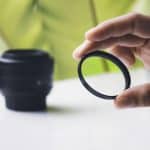
To begin, mount the polarizing filter on your camera’s lens. Then, look through the viewfinder or screen and rotate the filter slowly. You’ll notice changes in the intensity of reflections and sky color. Stop when you reach the desired level of saturation or glare reduction.
For beginners, a circular polarizing filter (CPL) is the most practical type because it allows auto-focus and exposure metering to function normally. It’s compatible with DSLR, mirrorless, and even some advanced compact cameras.
3. Why Colors Pop With Polarizing Filters
The first thing most beginners notice after using a polarizing lens is how much more vibrant their photos appear. The filter deepens blue skies, enhances cloud contrast, and makes foliage appear lush and defined. This happens because polarized light — the type that causes glare — often dulls colors. By eliminating that glare, you reveal the true tones underneath.
Imagine photographing a lake. Without the filter, the reflection of the sky may wash out the green underwater plants. With a polarizing lens, that reflection disappears, and suddenly you can see the details beneath the surface. It’s like removing a veil between your eyes and the world.
If you enjoy travel or nature photography, a polarizer will be your best companion for creating pictures that feel alive and immersive.
4. Choosing the Right Polarizing Lens
Not all polarizers are created equal. The quality of your polarizing lens can make a big difference in how your photos turn out. Cheaper filters may cause uneven polarization or introduce a slight color cast. Look for filters from reputable brands such as Hoya, B+W, or Tiffen — all known for producing high-quality optical glass.
When selecting one, check your lens thread size (printed on the front or side of your lens, usually marked with a “Ø” symbol). Always match the filter size to your lens diameter for proper fit.
If you use multiple lenses with different thread sizes, consider getting step-up rings — inexpensive metal adapters that allow one filter to fit several lenses. This saves money and space in your camera bag.
5. When To Avoid Using a Polarizing Filter
While a polarizing lens can enhance your images, it’s not suitable for every situation. Using it in low-light environments can darken your exposure too much since it typically reduces light by one to two stops. This makes it less ideal for indoor or night photography.
Also, when shooting wide-angle lenses, polarization can appear uneven across the frame — one side of the sky darker than the other. To minimize this, slightly reduce the polarizing effect or reframe your shot.
If you’re photographing rainbows, remove the polarizer altogether; it can make them vanish. In short, the polarizing lens is a powerful but situational tool. Knowing when not to use it is as important as knowing when to use it.
6. Creative Ways To Use a Polarizing Lens
Beyond glare reduction and color enhancement, there are creative ways to play with your polarizing lens. Try using it to control reflections artistically. For instance, if you’re shooting through a shop window, rotating the filter allows you to either show what’s inside or highlight the outside scene’s reflection.
You can also use the polarizer to add depth to images with water or glass — by revealing hidden details below the surface or emphasizing contrasting reflections. Many photographers love experimenting with partial polarization, where some glare remains for texture while other parts are clean and clear.
In portrait photography, the polarizing lens can subtly reduce skin shine, creating more even tones and softer highlights — particularly useful for outdoor portraits under bright sunlight.
7. Maintaining and Caring for Your Polarizing Filter
A polarizing lens is an investment worth protecting. Because the filter rotates and has multiple glass layers, it’s slightly more delicate than standard UV filters. Always store it in its case when not in use, and handle it by the edges to avoid fingerprints.
Clean it gently using a microfiber cloth or lens cleaning solution. Avoid harsh materials that could scratch the coating. If you’re shooting in dusty or sandy environments, use a blower first before wiping.
Another tip: don’t leave the polarizer permanently on your camera. Continuous exposure to heat or moisture could weaken the rotating mechanism. Treat it like a precision instrument — because that’s exactly what it is.
8. Common Beginner Mistakes With Polarizing Lenses
Even though using a polarizing lens seems straightforward, beginners often make a few simple mistakes. The first is over-polarizing — rotating the filter too much, which can make skies unnaturally dark or reflections disappear completely. Balance is key.
Another common issue is forgetting to adjust camera settings. Since the filter reduces light, you might need to compensate by increasing ISO or using a slower shutter speed. Finally, many beginners forget to remove the polarizer indoors or in low light, which leads to dull, underexposed images.
Avoiding these pitfalls ensures your polarizing lens enhances rather than hinders your photography.
9. The Difference Between Linear and Circular Polarizers
There are two main types of polarizing lenses — linear and circular. Linear polarizers were popular in film photography but can confuse modern camera sensors that use beam-splitting metering systems. That’s why circular polarizers (CPLs) are now the go-to choice.
Circular filters consist of a linear polarizer combined with a quarter-wave plate that allows the light to maintain correct orientation for your camera’s autofocus and metering systems. In simple terms, CPLs give you the same polarizing effect without interfering with your camera’s smart functions.
If you’re a beginner buying your first polarizing lens, go for a circular one. It’s more versatile and future-proof.
10. Why Every Beginner Should Own One
A polarizing lens might seem optional, but it’s a must-have for anyone serious about improving their photography. It teaches beginners how light interacts with the world and how simple optical tools can elevate visual storytelling.
The filter’s ability to deepen skies, reduce reflections, and reveal hidden detail makes it one of the most transformative accessories you can own. It’s affordable, practical, and offers instant results — no editing skills required.
With practice, you’ll start seeing the world differently — not just through your camera, but through an understanding of light itself. That’s the real magic of the polarizing lens.
Reference
-
National Park Service. (2023). How Polarizing Filters Work in Landscape Photography. https://www.nps.gov/articles/polarizing-filters.htm